
Art and mental health share a profound connection, offering individuals a unique outlet for expression and creativity. Engaging in artistic endeavors can serve as a therapeutic tool, enabling people to process emotions and experiences that may be difficult to articulate in words. Research indicates that both creating and experiencing art can significantly improve mental well-being, fostering resilience and emotional balance.
Through various forms of artistic expression, such as painting, music, or writing, individuals often find a sense of relief and empowerment. These activities not only encourage self-exploration but also cultivate a deeper understanding of personal feelings and struggles. Studies have shown that art can reduce symptoms of anxiety and depression, promoting a healthier mindset.
The relationship between art and mental health is not merely coincidental; it is rooted in the transformative power of creativity. By participating in artistic activities, individuals can unlock new pathways for expression and healing, ultimately enhancing their overall quality of life.
Understanding the Role of Art in Mental Well-being
Art plays a crucial role in enhancing mental well-being by providing individuals with a means to express emotions and reduce stress. The following explores art’s value in emotional communication and its therapeutic applications.
Art as a Form of Expression
Art serves as a powerful outlet for emotions, enabling individuals to convey feelings that might be difficult to express verbally. Through painting, music, or writing, people can explore their inner thoughts and experiences, leading to greater self-awareness.
Research indicates that engaging in artistic activities can lower levels of anxiety and depression. Participants often report feeling a sense of relief after creating art, as it allows for emotional release and reflection. This process can also foster a deeper understanding of personal struggles.
Art Therapy and Its Mechanisms
Art therapy integrates artistic expression with psychological therapy. Licensed professionals guide clients in using creative processes to explore feelings, improve communication, and resolve conflicts.
Studies show that art therapy can significantly enhance emotional well-being. It encourages individuals to engage with their emotions in a non-threatening way. Techniques such as drawing or sculpting provide alternatives to traditional talk therapy, making it accessible for those who find it challenging to articulate their thoughts.
Flow and Mental Engagement in Artistic Endeavors
The concept of flow, described by psychologist Mihaly Csikszentmihalyi, is crucial in understanding art’s positive impact on mental well-being. When individuals immerse themselves in artistic activities, they often enter a state of flow, characterized by complete absorption and focus.
This experience can reduce stress and promote happiness. As the mind becomes fully engaged in the creative process, distractions fade away. Consequently, the act of creating art not only cultivates satisfaction but also supports mental health by promoting relaxation and mindfulness.
Exploring Art Media and Their Impact on Mental Health
Artistic expression serves as a valuable tool for individuals facing mental health challenges. Different art mediums, such as drawing, painting, sculpting, and crafting, can significantly influence emotional well-being and provide therapeutic benefits.
Drawing and Painting: Channels for Emotion
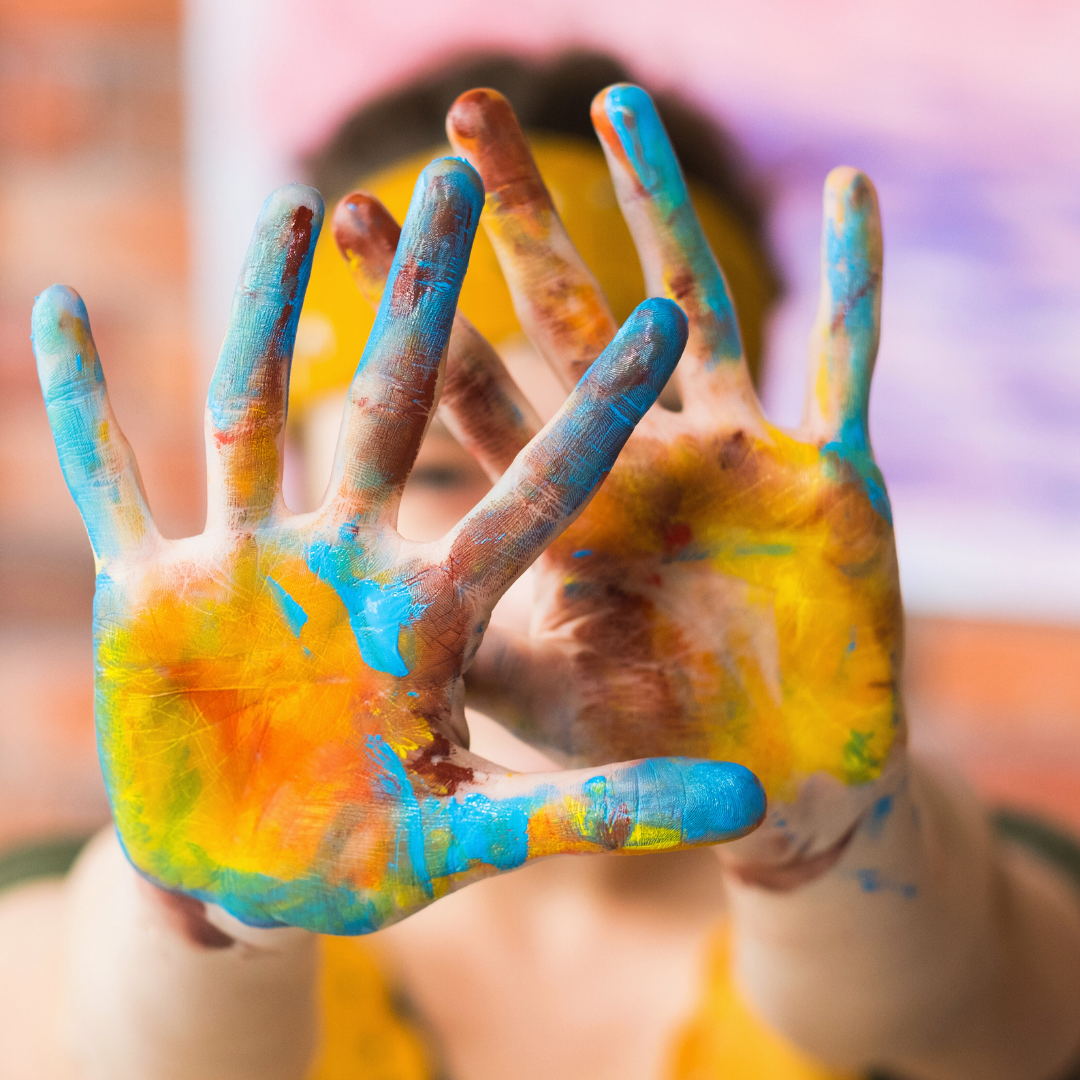
Drawing and painting enable individuals to express feelings that may be difficult to articulate. These media provide a release for anxiety and depression. The act of creating visual art can foster mindfulness and improve focus, allowing the artist to immerse themselves in the moment.
Research indicates that engaging in drawing or painting can decrease stress levels. For many, it acts as a form of meditation, promoting relaxation. The use of color can also affect mood; warm tones may evoke happiness while cooler tones can express sadness.
Additionally, finished artworks serve as tangible representations of emotions. This can help individuals gain insights into their mental states and enhance self-awareness. Creating a visual narrative can validate feelings, bridging the gap between the internal experience and external expression.
Sculpting and Crafting as Therapeutic Practices
Sculpting and crafting offer a tactile experience that helps ground individuals in their reality. The physical act of manipulating materials allows for the release of pent-up emotions. This process can be especially beneficial for those dealing with anxiety and depression.
Working with clay, wood, or other materials demands concentration, which can be distracted from negative thoughts. The rhythm of shaping and molding can be meditative, leading to a calming effect. Following through on a project from start to finish also provides a sense of accomplishment.
Crafting, such as knitting or woodworking, can build community connections. Many individuals find solace in group craft sessions, where shared experiences foster support. The combination of creating and socializing can enhance mood and reduce feelings of isolation.
Connections Between Artistic Expression and Mental Health Conditions
Artistic expression serves as a powerful tool for individuals navigating mental health conditions. It can enhance creativity while addressing underlying mental illness. Exploring this dynamic reveals significant insights into how art impacts well-being.
Mental Illness and the Creative Process
Artists often confront mental health challenges, including anxiety and bipolar disorder. The creative process can act as a release, allowing individuals to channel their experiences into tangible forms of expression. This transformation of emotional pain into art can foster a sense of purpose and identity.
Studies show that artistic activities stimulate specific brain regions, promoting emotional healing. Engaging with art can lead to introspection, helping individuals understand their feelings better. Community-driven art initiatives also provide support networks, reducing feelings of isolation among those with mental health conditions.
The Influence of Art on Life Satisfaction and Stress Reduction
Participating in artistic activities has been linked to increased life satisfaction and reduced stress. Engaging with art allows individuals to escape daily pressures and immerse themselves in creativity. This diversion is particularly beneficial for those experiencing mental health issues.
Art therapy, which combines the therapeutic process with creative expression, emphasizes the beneficial impacts on emotional well-being. Evidence suggests that creating or viewing art can lower cortisol levels, the stress hormone. Additionally, collaborative art projects foster social connections, enhancing overall mood and resilience in the face of mental health struggles.