


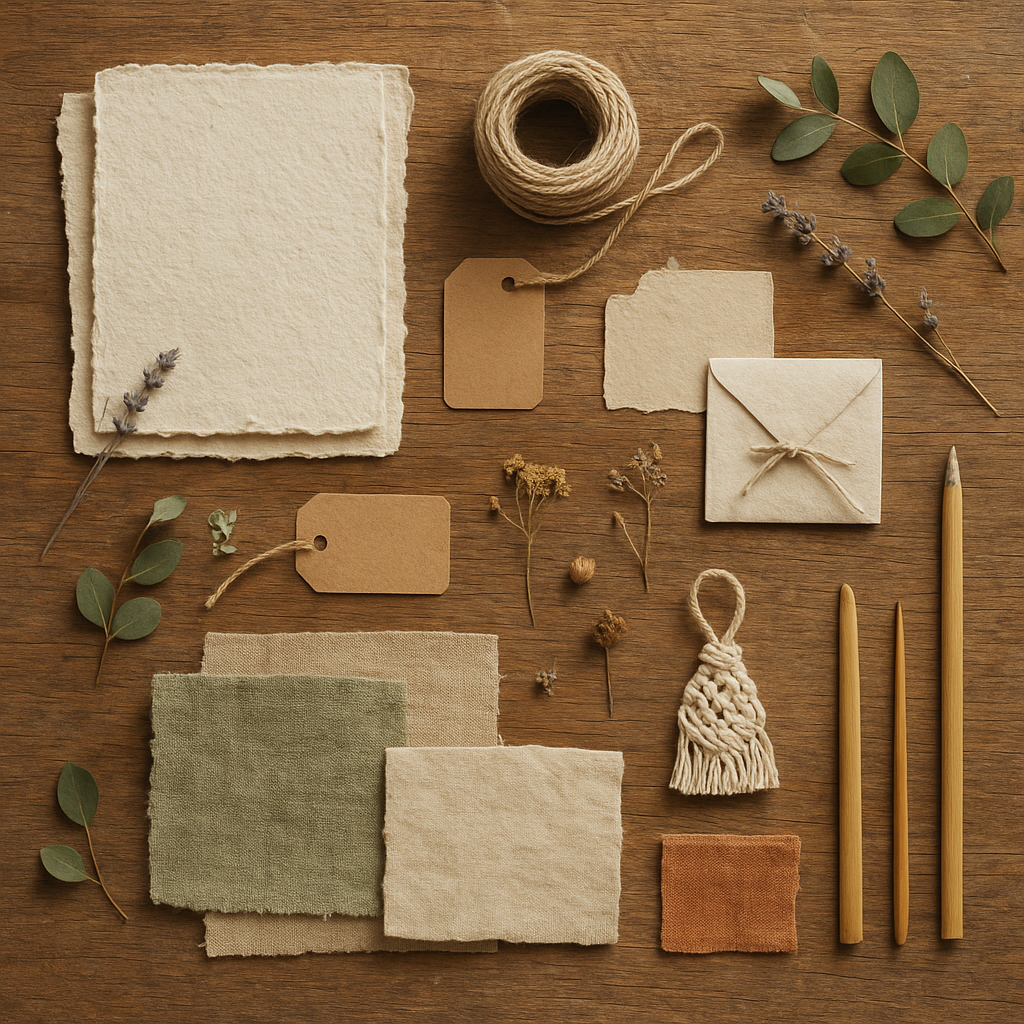
Something quietly significant is happening in craft rooms, studios, and maker spaces across the country. The way people choose their materials has shifted — not dramatically overnight, but steadily, thoughtfully, and with growing intention. Crafters who once grabbed whatever was cheapest or most convenient are now pausing to ask a different question: where did this come from, and where will it end up?
Sustainable crafting isn’t a passing trend. It reflects a deeper change in how makers think about their work — not just as a hobby or creative outlet, but as a practice that connects to larger systems of production, waste, and environmental impact. Whether you’re a seasoned textile artist, a weekend DIY enthusiast, or someone just getting started with hand-lettering, the materials you choose matter more than most people realize.
This article explores how sustainable materials are actively reshaping crafting practices, what that looks like in real terms, and why so many makers are finding that eco-conscious choices often lead to better creative outcomes anyway.
Why Crafters Are Rethinking Their Materials
The crafting industry, despite its handmade and often small-scale nature, generates a surprising amount of waste. Synthetic dyes wash into water systems. Plastic-based embellishments end up in landfills. Fast fashion fabrics — often the same materials sold in craft stores — are linked to significant environmental harm during production. According to the Ellen MacArthur Foundation, the global textiles industry produces around 92 million tons of waste annually, much of which comes from fabric production and overconsumption.
That’s a sobering number, but it’s also one that individual makers can genuinely influence through their choices. The rise of conscious consumerism has reached the crafting world, and many makers are responding with real enthusiasm rather than reluctant obligation.
Part of this shift comes from increased visibility. Social media has made it easier than ever to learn about where materials originate, how fibers are processed, and what happens to waste products. When a fiber artist shares a post about the difference between conventional and organic wool processing, thousands of other crafters see it. That kind of peer-to-peer education has been remarkably effective at changing purchasing habits.
Natural Fibers Making a Strong Comeback
One of the most visible shifts in sustainable crafting is the renewed enthusiasm for natural fibers. Cotton, wool, linen, hemp, and bamboo have all seen increased interest from makers who want materials that biodegrade, breathe, and carry less environmental baggage than synthetic alternatives.
Hemp and Linen: Underrated Powerhouses
Hemp, in particular, has had a remarkable comeback. Once associated mainly with a niche counterculture aesthetic, hemp fiber is now recognized as one of the most sustainable textile crops available. It requires very little water compared to cotton, grows quickly without heavy pesticide use, and produces strong, durable yarn and fabric. For macramé artists, weavers, and bag makers, hemp cord and fabric have become genuinely exciting options — not just virtuous ones.
Linen, made from flax, shares many of hemp’s ecological advantages and has an elegance that makes it popular for embroidery, bookbinding, and home décor projects. Its slightly irregular texture, which some manufacturers used to consider a flaw, is now embraced as part of its natural character.
Organic and Recycled Wool
Wool is already a renewable resource when sourced responsibly, but the certification landscape has improved significantly. Wool certified under the Responsible Wool Standard (RWS) guarantees animal welfare and land management practices, giving crafters a clearer way to make informed choices. Meanwhile, recycled wool — often reclaimed from old garments or industrial offcuts — reduces the need for virgin fiber production entirely.
Many indie dyers and small yarn producers have built their entire businesses around these principles, and the quality of their products frequently rivals or surpasses mass-market alternatives.
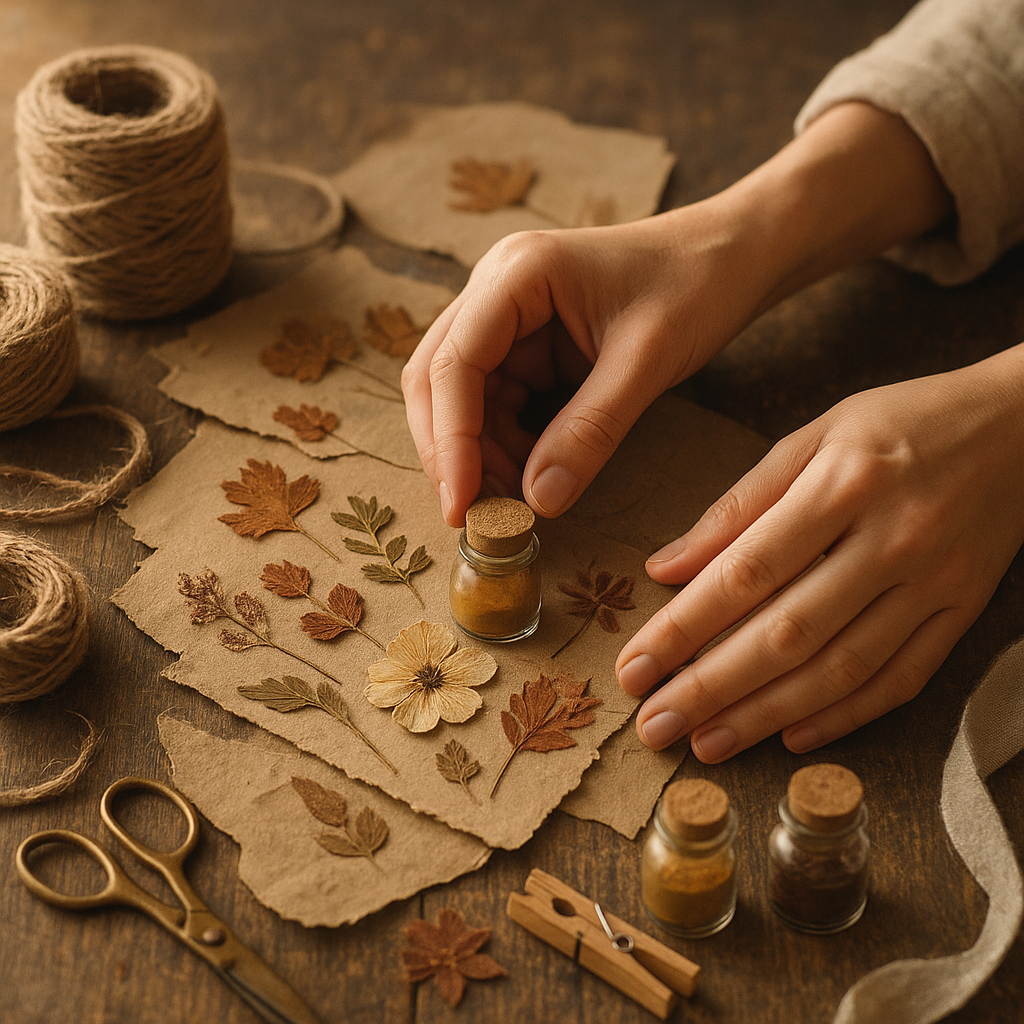
Reclaimed and Upcycled Materials: Creativity Under Constraint
There’s a long tradition in folk crafting of using what’s available — quilts made from worn-out clothing, baskets woven from local plants, candles poured into repurposed containers. Sustainability, in many ways, is a return to those roots rather than an invention of something new.
Today’s crafters are finding inventive ways to work with reclaimed materials:
- Fabric scraps and selvedges from sewing projects are being turned into patchwork, braided rugs, and stuffed toys rather than thrown away.
- Old books and maps provide paper for origami, decoupage, and paper crafts without requiring new materials.
- Glass jars, tins, and cardboard tubes are repurposed as molds, storage, and structural components in sculptural work.
- Vintage fabric and clothing purchased from thrift stores or estate sales gives makers access to high-quality natural fibers that are no longer in production.
- Denim offcuts from home renovation or clothing repair have found a strong community of makers who turn them into bags, accessories, and even wall art.
The constraint of working with reclaimed materials often sparks creativity in unexpected ways. When you can’t just order whatever you need, you start to problem-solve differently — and many makers report that some of their best work has come from limitations imposed by sustainable practice.
Natural Dyes and Non-Toxic Finishes
The dyeing process is one of the more chemically intensive aspects of textile crafting. Conventional synthetic dyes often contain heavy metals and require large amounts of water, some of which ends up contaminated. Natural dyeing — using plants, fungi, and other organic sources — offers an alternative that, while requiring more skill and patience, produces extraordinary results.
Indigo, madder, weld, black walnut hulls, and avocado skins are among the most popular natural dye sources. Each produces a different range of colors, and the results shift depending on the mordant used, the fiber type, and even the mineral content of the local water. That unpredictability is part of the appeal — no two naturally dyed pieces look exactly alike.
Beyond fiber arts, crafters working with wood, paper, and mixed media are also rethinking their finishes and adhesives. Water-based varnishes, beeswax polishes, and milk paint are replacing solvent-heavy products in many studios. These aren’t just environmentally better choices — they’re often safer to work with indoors, which matters a great deal for crafters working in small, enclosed spaces.
What Makes a Crafting Material Truly Sustainable?
This is a question worth sitting with, because the answers are more nuanced than a simple “natural = good, synthetic = bad” framing suggests. A material’s sustainability involves multiple factors:
- Origin: Was it grown or harvested in an environmentally responsible way? Does it come from a renewable resource?
- Processing: How energy- and chemical-intensive was the conversion from raw material to usable form?
- Transportation: How far did it travel to reach you, and by what means?
- Durability: Will the finished item last, or will it wear out quickly and be discarded?
- End of life: Can the material be composted, recycled, or repurposed when the project is done?
A synthetic performance fabric made locally using renewable energy might, in some cases, have a lower carbon footprint than an organic cotton imported by air freight. Context matters. That said, for most everyday crafting materials, choosing natural, certified, or reclaimed options is generally a sound approach — especially when combined with thoughtful purchasing habits like buying only what you need and making projects that last.
Supporting Ethical Makers and Small Suppliers
Sustainable crafting isn’t only about materials — it’s also about the broader ecosystem of people who produce and sell them. Many crafters are actively choosing to source from small, independent suppliers who can speak directly to where their materials come from and how they’re made.
Farmers’ markets, fiber festivals, and local craft fairs have become important sourcing venues for makers who want to connect face-to-face with the people behind their materials. Online platforms like Etsy and direct-to-consumer small businesses have also made it easier to find responsibly sourced yarn, fabric, paper, and other supplies from makers who are transparent about their practices.
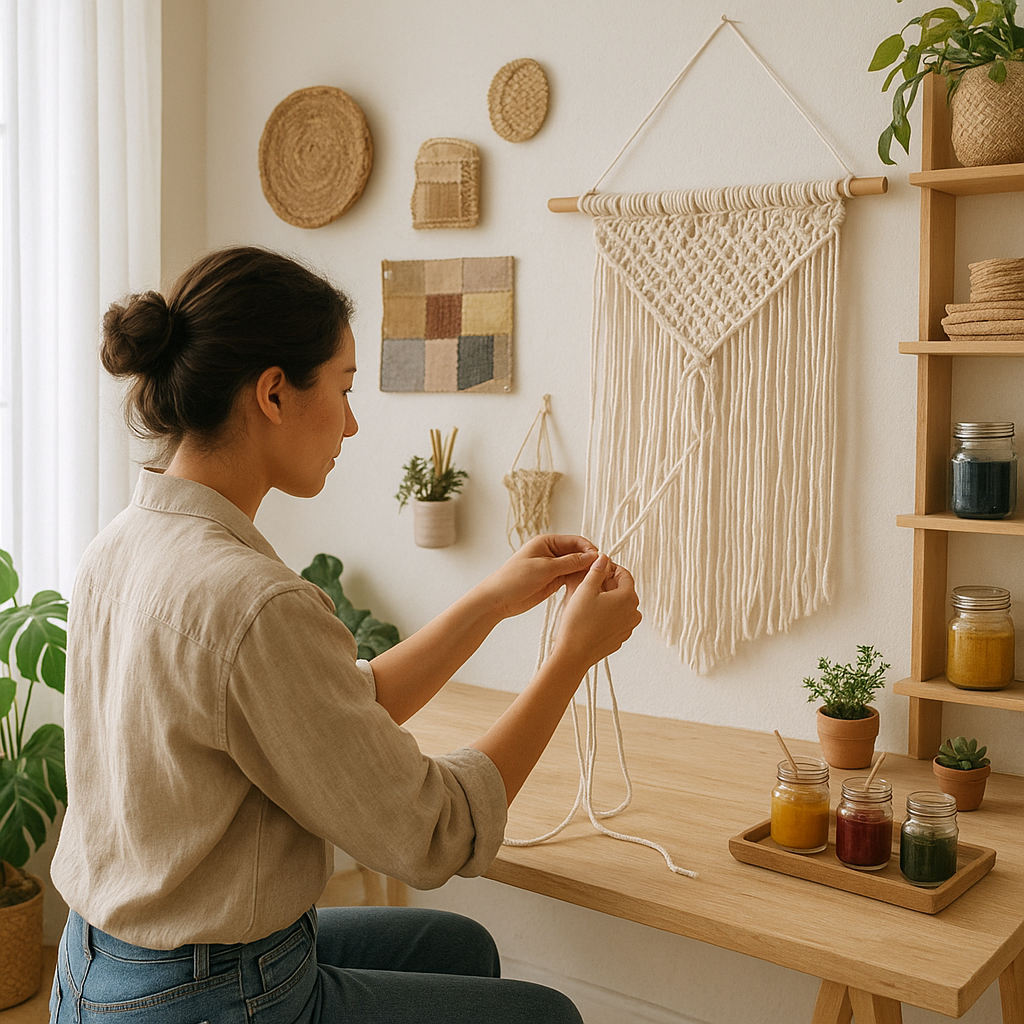
This kind of intentional sourcing tends to support local and regional economies, preserve traditional craft knowledge, and create a more direct relationship between maker and material. It also tends to shift purchasing behavior toward quality over quantity — buying one excellent skein of ethically produced yarn rather than five cheap ones that may shed, pill, or fade within a season.
Sustainable Practices Beyond Material Choice
The conversation about sustainability in crafting extends beyond what you buy. How you work matters too. Some of the most impactful shifts crafters are making involve process rather than product:
- Finishing projects rather than abandoning them to start something new, which reduces waste from unfinished materials.
- Repairing and restoring tools, equipment, and older projects rather than replacing them.
- Swapping and sharing materials with other crafters through community groups, stitch-and-sew circles, or online swap communities.
- Planning projects carefully to minimize offcuts and unused portions of expensive materials.
- Composting natural waste like plant-based fabric scraps, paper trimmings, and natural fiber remnants.
These habits compound over time. A crafter who plans projects thoughtfully, finishes what they start, and maintains their tools well will naturally generate less waste and spend less money — two outcomes that tend to reinforce each other.
The Aesthetic of Sustainability
It’s worth noting that sustainable materials have developed a distinct and increasingly celebrated aesthetic. The slight texture of undyed wool, the warm tones of naturally dyed cotton, the imperfections in handmade paper — these qualities are now actively sought after rather than tolerated as compromises. There’s a richness and authenticity to work made from natural and reclaimed materials that’s difficult to replicate with synthetic alternatives.
This aesthetic shift has genuinely changed what’s considered beautiful in contemporary crafting. The imperfect, the tactile, and the handmade are having a cultural moment that aligns naturally with sustainable practice. For makers who also draw inspiration from fine art movements, it’s worth noting how surrealism has shaped contemporary art by similarly championing the unexpected, the organic, and the intuitively made over the purely polished.
Conclusion
Sustainable materials are reshaping crafting practices not because makers have been forced to change, but because a growing number of them genuinely want to. The shift is driven by curiosity, creativity, community, and a real desire to align personal values with everyday actions.
The key takeaways are worth keeping close: natural and reclaimed materials often produce beautiful, distinctive results; the sustainability of a material depends on origin, processing, durability, and end-of-life factors together; small, intentional purchasing decisions add up significantly over time; and sustainable crafting is as much about how you work as what you buy.
None of this requires perfection. A crafter who makes even modest shifts toward more sustainable materials and habits is contributing meaningfully to a broader change in how the crafting world operates. And in a space as fundamentally human and creative as making things by hand, that kind of thoughtful participation feels entirely appropriate.