

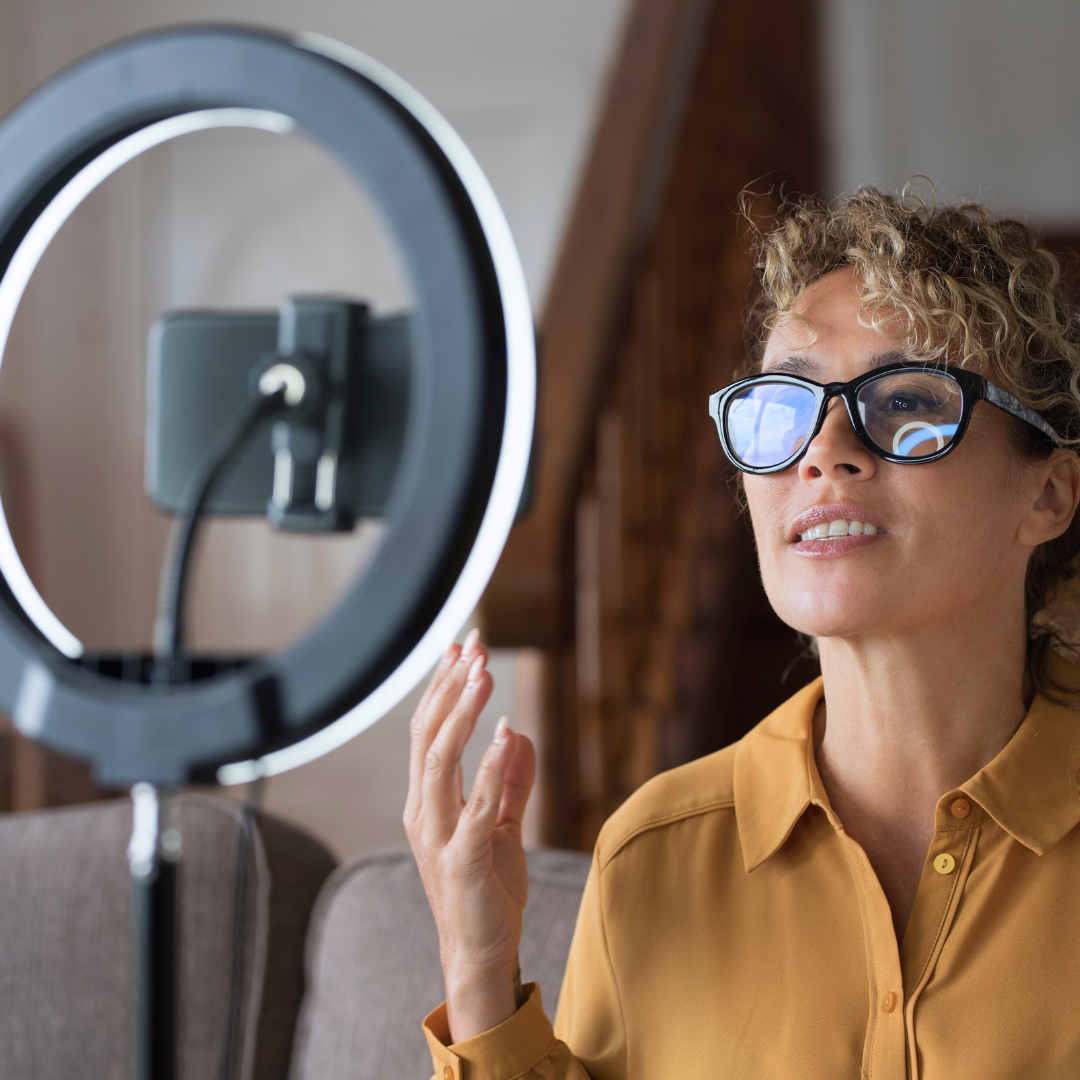
A ring light can dramatically enhance portrait photography by providing even, flattering illumination. It eliminates harsh shadows while creating a beautiful catchlight in the subject’s eyes, resulting in more captivating images. This type of lighting is particularly beneficial when aiming for that polished, professional look that many photographers desire.
Beyond its aesthetic advantages, a ring light is versatile and easy to use, making it suitable for different settings, from studio environments to casual home shoots. Its circular design softens the light, which helps to emphasize facial features without creating the undesirable glare often associated with other lighting sources.
For those serious about improving their photography skills, investing in a ring light can be a game-changer. With the right lighting, portraits become not just images but a true reflection of the subject’s personality and essence.
Understanding Ring Lights in Photography
Ring lights have become essential tools in photography, especially for portrait work. Their design and functionalities greatly influence light quality and distribution, enhancing the final image. This section discusses how ring lights function and the different types available.
The Basics of Ring Light Functionality
Ring lights provide a distinctive, even illumination that eliminates harsh shadows on subjects’ faces. They produce soft light, which is especially flattering for portraits.
Typically, these lights use LED technology for efficiency and longevity. The circular design creates a uniform light source around the camera lens, generating catchlights in the subject’s eyes.
Some ring lights can be mounted directly on the camera (on-camera ring lights), while others stand independently (off-camera ring lights). This flexibility allows for creative angles and adjustments, improving the overall quality of the portrait.
Types of Ring Lights
There are several types of ring lights, each varying in features and best-use scenarios.
- LED Ring Lights: These are popular for their energy efficiency and adjustable brightness. They provide consistent light output and can often be dimmed to achieve the desired effect.
- Ring Flash: Unlike traditional ring lights, a ring flash provides a more powerful burst of light, ideal for high-speed photography. It creates a unique lighting effect with strong highlights and minimal shadows.
- On-Camera Ring Lights: These are compact and easily attached to cameras. They offer convenience but may lack the light intensity required for larger scenes.
- Off-Camera Ring Lights: These lights are ideal for studio settings. They can be positioned at various distances, allowing for greater control over the scene’s lighting.
Each type offers specific advantages, catering to different photographing styles and environments.
Benefits of Using a Ring Light for Portrait Photography
A ring light offers numerous advantages for portrait photography. Its unique design produces flattering illumination, enhancing facial features while minimizing harsh shadows. This makes it particularly effective for beauty portraits.
Enhancing Facial Features
Ring lights create even lighting across the face. This helps to highlight natural contours and details, improving the overall aesthetic of a portrait.
The circular design allows light to wrap around the subject. This results in a soft glow that reduces the appearance of blemishes. It’s especially effective for close-up beauty shots where enhanced features are crucial.
Additionally, the light helps to equalize skin tones, making them appear smoother. Photographers often find that subjects look more vibrant and alive with this type of lighting.
Achieving Soft Lighting and Minimizing Shadows
The primary advantage of a ring light is its ability to produce soft light. This is essential in portrait photography as it creates a gentle transition between light and shadow on the subject’s face.
By placing the ring light directly in front of the subject, harsh shadows are minimized. Shadows can often detract from the overall beauty of a portrait, but ring lights mitigate this issue effectively.
Furthermore, the diffused output softens the light, reducing the intensity of shadows under the chin and around the eyes. This technique leads to more flattering images, especially in beauty portraits.
Creating a Signature Catch Light
A ring light generates a distinctive catch light in the subject’s eyes. This effect can make the eyes appear more engaging and full of life.
The circular reflection created by the ring camera is unique and draws attention. It adds a professional touch to portraits, particularly in fashion or beauty photography.
Using this type of lighting creates a consistent look across images. This signature catch light is desirable for photographers seeking to establish a recognizable style in their work. The result is a cohesive portfolio that stands out to clients and audiences alike.
Ring Light Applications Beyond Portraits
Ring lights are versatile tools that extend their utility beyond traditional portrait photography. They enhance quality in macro and product photography, as well as elevate video content for social media and vlogs.
Diversifying into Macro and Product Photography
In macro photography, ring lights provide even illumination, reducing harsh shadows that can distract from intricate details. The circular design creates a halo effect, ensuring that subjects are well-lit, which is crucial for capturing small objects or textures.
For product photography, consistent lighting is vital to showcase items accurately. Ring lights create an appealing catchlight in products, enhancing their visual appeal. The soft, diffused light from a ring light can highlight product features, making it ideal for e-commerce platforms.
Improving Video Content for Social Media and Vlogs
When it comes to videography, ring lights are a game changer. They provide uniform lighting that helps creators maintain a professional look in their videos. This consistency is essential for building a personal brand on platforms like YouTube and Instagram.
In vlogs, good lighting can significantly improve viewer retention rates. With a ring light, creators can achieve flattering, even lighting, which reduces the need for extensive post-editing. This efficiency allows more time to focus on content creation rather than adjustments.
Selecting the Right Ring Light for Your Needs
Choosing the right ring light involves careful consideration of size, portability, and light output, alongside evaluating specific features like color temperature and brightness adjustments. These factors directly impact the quality and convenience of portrait photography.
Considering Size, Portability, and Light Output
Size is crucial when selecting a ring light. Larger lights typically provide softer, more diffused light, while smaller models are often more portable and easier to store. Those working in tight spaces may prefer a compact design.
Portability enhances convenience. Models with adjustable stands or lightweight construction allow for easier transport and setup.
Light output varies across different options. A ring light’s brightness is typically measured in lumens. Higher lumen ratings ensure better visibility and can easily illuminate subjects in diverse settings. Some models offer dimming features, providing flexibility for various environments.
Evaluating Features: Color Temperature and Brightness Adjustments
Color temperature determines the warmth or coolness of the light, often expressed in Kelvin (K). A range between 3000K (warm) to 6000K (cool) is ideal for creating different moods in portraits.
Brightness adjustments are essential for achieving the desired effect. Ring lights with adjustable settings allow the user to fine-tune the light intensity based on specific scenarios.
Some advanced ring lights offer customizable color settings, enabling users to match ambient lighting or create artistic effects.
When purchasing, assess the selected features against personal needs and preferences to ensure optimal use in portrait photography.